Advanced surveillance systems play a critical role in ensuring patient safety and protecting high-value medical equipment within healthcare facilities. Continuous monitoring of wards, corridors, ICUs, pharmacies, and entry points helps prevent theft, unauthorized access, patient wandering, and security incidents. Intelligent video analytics can detect unusual behavior, restricted-area breaches, or emergency situations in real time, enabling rapid response while maintaining patient privacy and regulatory compliance.
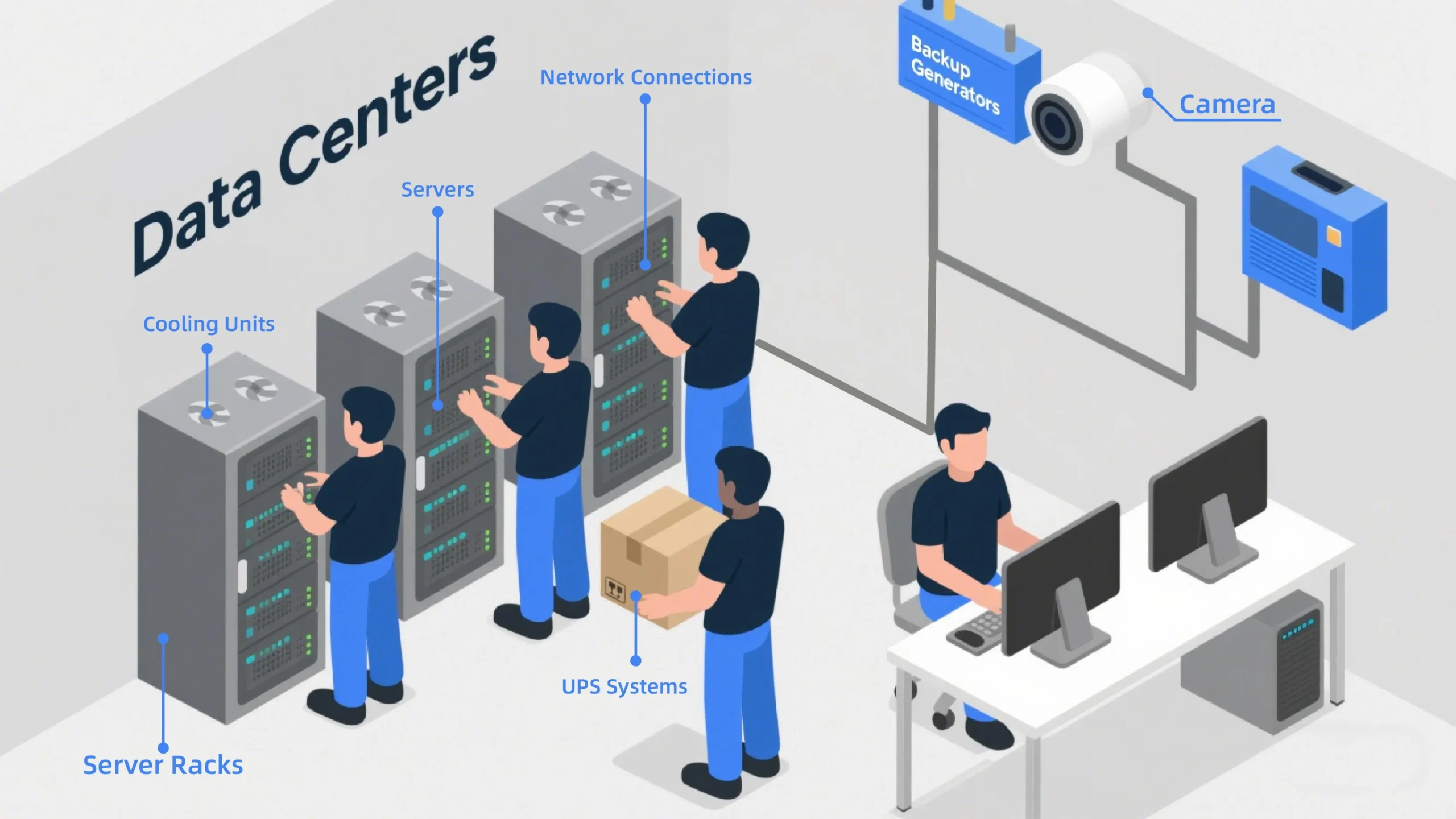
Healthcare facilities require strict access management for sensitive zones such as operating theatres, intensive care units, laboratories, drug storage rooms, and data centers. Role-based access control using smart cards, biometrics, or secure credentials ensures that only authorized medical and administrative personnel can enter restricted areas. Centralized monitoring and audit trails enhance accountability, reduce internal risk, and support healthcare compliance standards.
Hospitals and medical campuses operate in high-risk environments with oxygen supply systems, electrical equipment, and continuous operations. Advanced fire detection systems, including smoke, heat, and gas detection, provide early warnings to prevent escalation. Integrated life safety systems help protect vulnerable patients who may not be able to evacuate independently, ensuring rapid containment, alarm activation, and coordination with emergency response teams.
Public Address (PA) and automated evacuation systems are essential for managing emergencies in healthcare facilities. Clear, zone-based announcements guide staff, patients, and visitors during fire incidents, security threats, or disaster situations. Structured communication reduces panic, supports orderly evacuation procedures, and ensures minimal disruption to critical medical services while prioritizing life safety.